Low MOQ Knitwear Manufacturing for Emerging Fashion Brands

Welcome to CZ Knitwear.

Low MOQ Knitwear Manufacturing for Emerging Fashion Brands

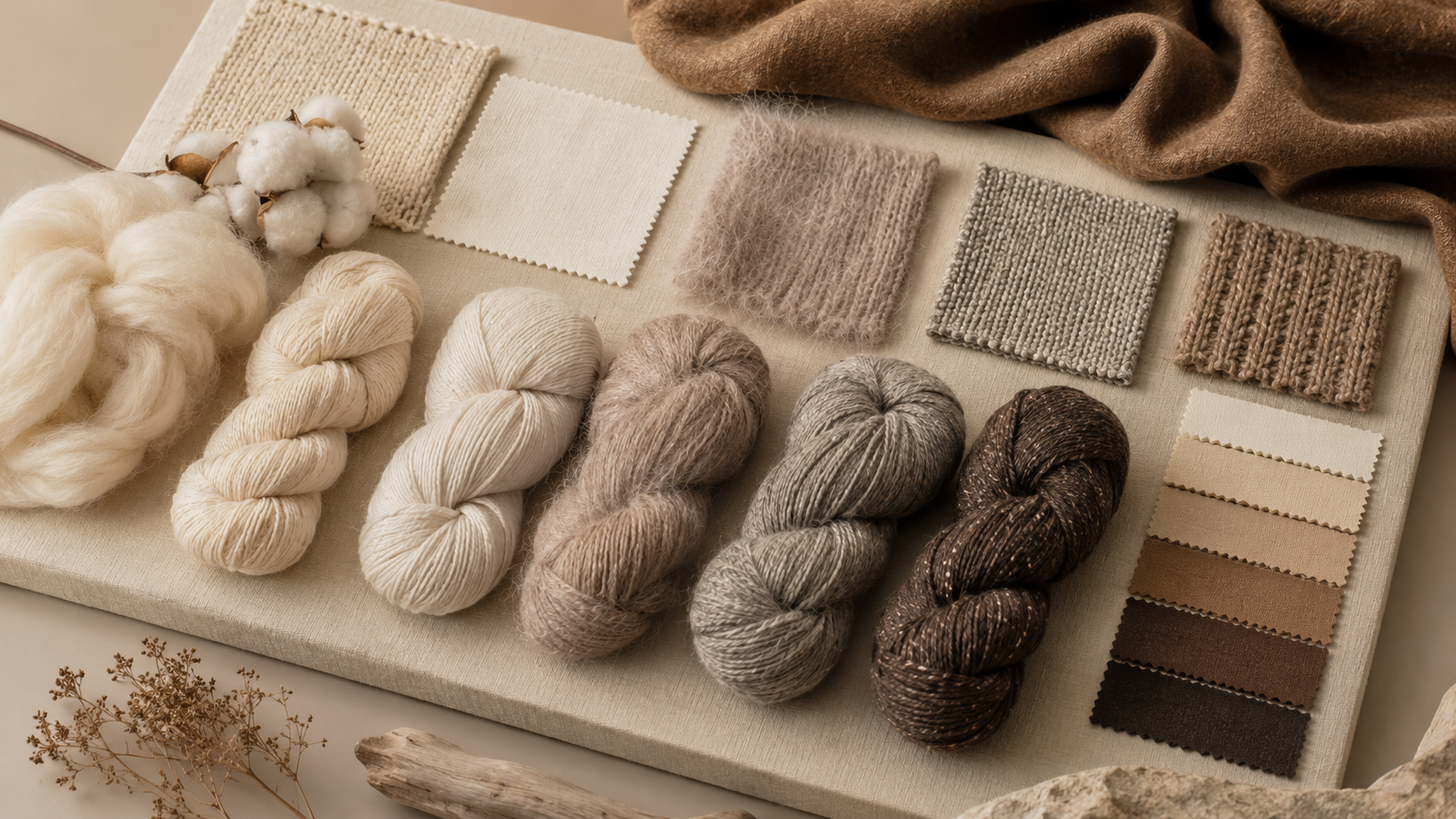
Flatlay of yarns, swatches and sample cards representing low MOQ knitwear development for new brands

For emerging fashion brands, one of the biggest early challenges is balancing ambition with production reality. Founders often have strong design ideas and a clear market vision, but limited capital and uncertain demand forecasts. In that environment, large production minimums can become a major obstacle.

Low MOQ knitwear manufacturing offers a more practical path. It allows brands to move forward with focused assortments, test product-market fit, control inventory risk and grow in a more disciplined way. For startup labels and boutique collections, a lower minimum order quantity can make the difference between keeping an idea on paper and launching a real sweater program.

Why MOQ matters so much for small brands

MOQ, or minimum order quantity, affects not only the production plan but also the financial risk of the business. When a startup brand is required to place very large orders, it ties up cash in inventory before sales have been proven.

This can limit flexibility, delay product launches and make it harder to respond to actual customer demand. If the style, color or size ratio does not perform as expected, the brand may be left with unsold stock and limited capital for the next season.

At CZ Knitwear, apparel MOQ can start from 100 pcs / style, while selected pet knitwear and knit accessories usually start from 300 pcs / style. The final MOQ depends on yarn, gauge, workmanship, color, packaging and production complexity.

How low MOQ supports smarter product testing

Low MOQ production helps reduce early-stage pressure. It gives brands the opportunity to launch smaller collections, validate color choices, compare best-selling styles and refine size ratios. Instead of betting everything on a large initial run, the brand can learn from the market and scale more intelligently.

This is especially useful for direct-to-consumer brands, boutique retailers and private label projects that need to test customer response before expanding into larger production quantities.

Inventory Control

Reduce Early Stock Risk

Smaller first runs help new brands avoid overcommitting cash before demand is proven.

Market Testing

Validate Best Sellers

Brands can test colorways, textures, silhouettes and price points before scaling volume.

Collection Focus

Launch Curated Drops

Low MOQ supports focused capsules, limited releases, pre-order programs and boutique tests.

Growth Path

Scale with Confidence

After sales feedback, brands can reorder stronger styles and expand with better planning.

Why knitwear benefits from a low MOQ approach

Knitwear is especially suited to careful testing because the category is highly influenced by hand feel, fit and seasonal relevance. A sweater that looks strong in sketches may require sample adjustments to reach the right drape, softness, thickness or texture.

Consumer response can also vary depending on yarn story, silhouette, color, gauge and price point. A lower MOQ approach gives brands more room to test and refine before committing to larger quantities.

What low MOQ can support

Low MOQ production is not only about quantity. It also supports brand building. Smaller runs can be used for new category launches, influencer seeding, boutique tests, direct-to-consumer drops or pre-order backed production.

For knitwear collections, low MOQ is particularly valuable when a brand wants to test several colorways, explore signature textures or build a premium capsule without carrying too much stock. It gives room for smarter curation.

  • New brand launch: Develop a focused sweater capsule before expanding the collection.
  • Color testing: Compare several colorways and identify the strongest commercial direction.
  • Pre-order model: Support a more demand-driven production strategy for online brands.
  • Boutique retail test: Start with smaller quantities for selected stores or local markets.
  • Category extension: Test men’s, kids, pet knitwear or accessories without overstock pressure.

The role of development and communication

Low MOQ does not remove the need for clear development. Brands still need to communicate material preferences, target pricing, size expectations and product purpose. In many cases, working from photo references or simple design packs is possible, but the clearer the communication, the smoother the process will be.

Manufacturers also need to guide realistically. Some yarns, trims, dye directions or complex techniques may not be suitable for very small runs. The best results come when both sides focus on styles that can achieve quality consistency at the intended scale.

What brands should prepare before sampling

A low MOQ project becomes much easier when the brand prepares the right development information. A complete tech pack is helpful, but not always required. A clear reference photo, original sample, sketch or mood board can also be a useful starting point when the expected fit, hand feel, size range and target price are discussed clearly.

  • Design direction: Tech pack, sketch, photo reference or original sample.
  • Product category: Sweater, cardigan, knit top, vest, pet sweater or knit accessory.
  • Target quantity: Estimated order quantity by style, color and size.
  • Yarn preference: Cotton, wool blend, acrylic blend, recycled yarn or other material direction.
  • Branding needs: Neck label, care label, hangtag, packaging and carton requirements.

Building toward larger volumes

One of the strongest advantages of low MOQ manufacturing is that it supports long-term growth. A startup brand can begin with smaller quantities, identify which items resonate with customers, and then reorder or expand with more confidence.

This creates a healthier path toward larger volume production. Instead of forcing the brand into heavy inventory too early, the collection can grow based on actual sales feedback and customer preference.

A smarter way to launch knitwear

For many young brands, low MOQ is not just a convenience. It is a strategic enabler. It allows the team to protect cash flow, learn from real customers and build a more considered assortment. Instead of overproducing, the brand can focus on improving its strongest ideas.

At CZ Knitwear, we support low MOQ knitwear development for apparel categories starting from 100 pieces and selected accessories or pet knitwear from 300 pieces. For emerging brands, this makes it easier to move from idea to sample to sellable product with less risk and more flexibility.
Follow Factory TikTok · YouTube

Private Label Knitwear: From Tech Pack to Bulk Production

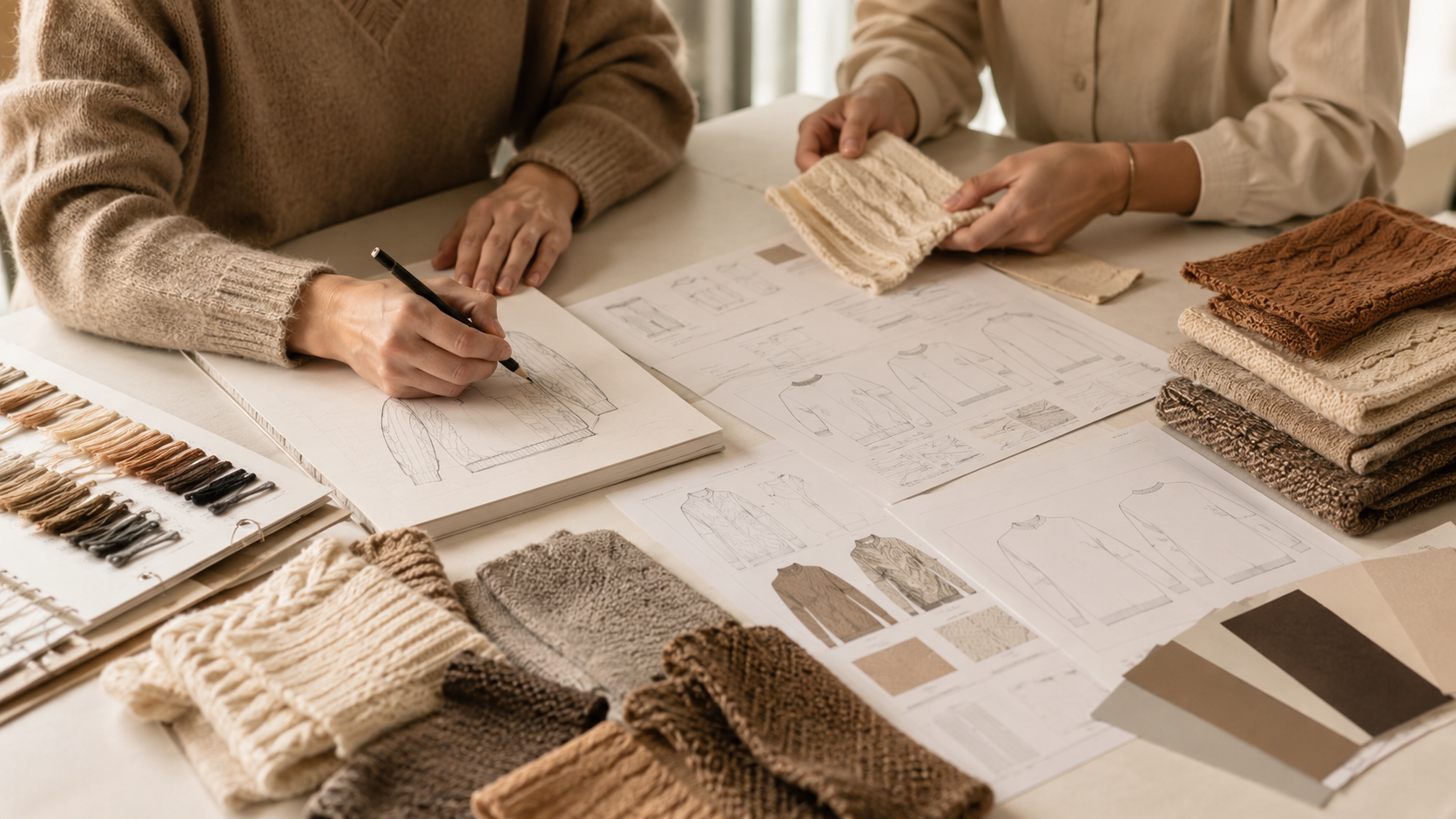
Private label knitwear development desk with sweaters, tags, sketches and packaging materials

Private label knitwear gives fashion brands a flexible way to build distinctive sweater collections without running their own manufacturing facility. The key is connecting design intent, yarn direction, branding details and production reality through a clear OEM / ODM development process.

For fashion brands, sourcing companies and boutique retailers, private label knitwear is not only about putting a label on a sweater. It involves product development, yarn selection, gauge review, sample correction, bulk production, quality control, packaging and export-ready delivery.

A successful project usually starts with a clear brief. This may be a complete tech pack, a reference photo, an original sample, a sketch, or even a product concept. The role of an experienced knitwear manufacturer is to translate that idea into a realistic production plan.

Step one: preparing the tech pack or concept brief

A detailed tech pack is one of the most helpful starting points for private label knitwear production. It usually includes flat sketches, measurements, construction notes, yarn preferences, color references, stitch information, label placement and packaging requirements.

For startup brands or smaller collections, a full tech pack may not always be available. In those cases, a manufacturer can often work from reference samples, mood boards, competitor products or clear photo references, as long as the expected fit, hand feel, quality level and target price are discussed openly.

The goal of the first stage is alignment. Before sampling starts, both the brand and the factory should understand the intended product category, style direction, MOQ, yarn expectation, sample timing and bulk delivery plan.

Step two: yarn, gauge and construction selection

Once the concept is clear, yarn selection becomes a critical decision. Cotton, wool blends, acrylic blends, viscose, cashmere blends, recycled yarns and other options can all create very different results. The same silhouette can feel casual, premium, lightweight or warm depending on the yarn.

Gauge and knitting technique should also be reviewed at this stage. A finer gauge may deliver a smoother and more refined look, while a lower gauge can create heavier, chunkier sweaters. Techniques such as cable knit, rib, jacquard, intarsia or crochet influence both aesthetics and production complexity.

  • Yarn selection: Determines hand feel, texture, warmth, drape and final product positioning.
  • Gauge choice: Affects thickness, weight, structure and production feasibility.
  • Stitch technique: Impacts visual design, sampling difficulty, machine time and cost.
  • MOQ planning: Helps brands balance customization goals with realistic production requirements.

Step three: sample development

Sampling is where the collection begins to take physical shape. The first sample may focus on structure, overall look and feasibility. In many cases, revisions are necessary. The fit may need adjustment, the yarn may need to be changed, or the stitch density may need refinement.

This stage is especially important in knitwear because small changes can strongly affect the final garment. Collar depth, sleeve width, body length, rib tension, washing effect and yarn softness should all be reviewed before bulk production starts.

Step four: private label details

Private label manufacturing is not only about the garment itself. Brand identity is often expressed through neck labels, care labels, woven labels, hangtags, packaging, polybags and carton markings. These details help turn a factory-made product into a recognizably branded item.

Before bulk production, the manufacturer should confirm artwork requirements, label sizes, placement, packaging standards, barcode information and shipping marks. Clear approval at this stage reduces mistakes during packing and delivery.

A clear workflow from idea to delivery

01

Design Review

Review tech packs, reference photos, sketches, original samples or product concepts.

02

Yarn & Gauge Development

Select suitable yarn, gauge, stitch structure, hand feel and production method.

03

Sampling & Revision

Develop samples, review fitting, adjust construction details and confirm final direction.

04

Private Label Setup

Confirm neck labels, care labels, hangtags, packaging, polybags and carton requirements.

05

Bulk Production & QC

Manage knitting, linking, washing, finishing, inspection and production consistency.

06

Packing & Export Delivery

Complete folding, labeling, polybag packing, carton packing and export-ready delivery.

Step five: pre-production confirmation

Before bulk knitting begins, final approvals should be in place. This usually includes the confirmed sample, size specifications, approved colors, packaging details and order quantities by size or style.

For repeat orders or multi-style programs, a structured approval process is even more important. It helps maintain consistency across categories and gives the brand more confidence in delivery planning.

Step six: bulk production and quality control

During bulk production, the focus shifts to consistency. Knitwear must maintain accurate measurements, stable construction, acceptable color variation and clean finishing. Factories typically control this through in-line checks, measurement verification, finishing inspections and packing review.

Quality control in knitwear often includes checking stitch appearance, shape stability, labeling accuracy, workmanship and packaging completeness. For delicate or premium yarns, extra attention may be needed during washing, steaming and finishing.

Step seven: packing and shipping

Once production passes inspection, the order moves into folding, labeling, polybagging, carton packing and shipment coordination. This stage may seem straightforward, but it influences how the brand receives the final goods and how smoothly distribution can begin.

Clear carton marks, correct quantity breakdowns and organized packaging standards all support a more professional delivery result.

Building a better long-term partnership

The best private label manufacturing relationships are not purely transactional. They are collaborative. Brands that communicate clearly and manufacturers that guide realistically can build stronger collections over time.

At CZ Knitwear, we support private label programs through sampling, yarn recommendations, development based on tech packs or photos, custom labeling and structured production follow-up. For growing brands, a reliable knitwear partner can make the difference between a product idea and a scalable collection.

Follow Factory

WhatsApp: +86 13266179935