
In the high-stakes world of premium knitwear, the technological approach to construction can define everything from retail price points to wearer comfort.
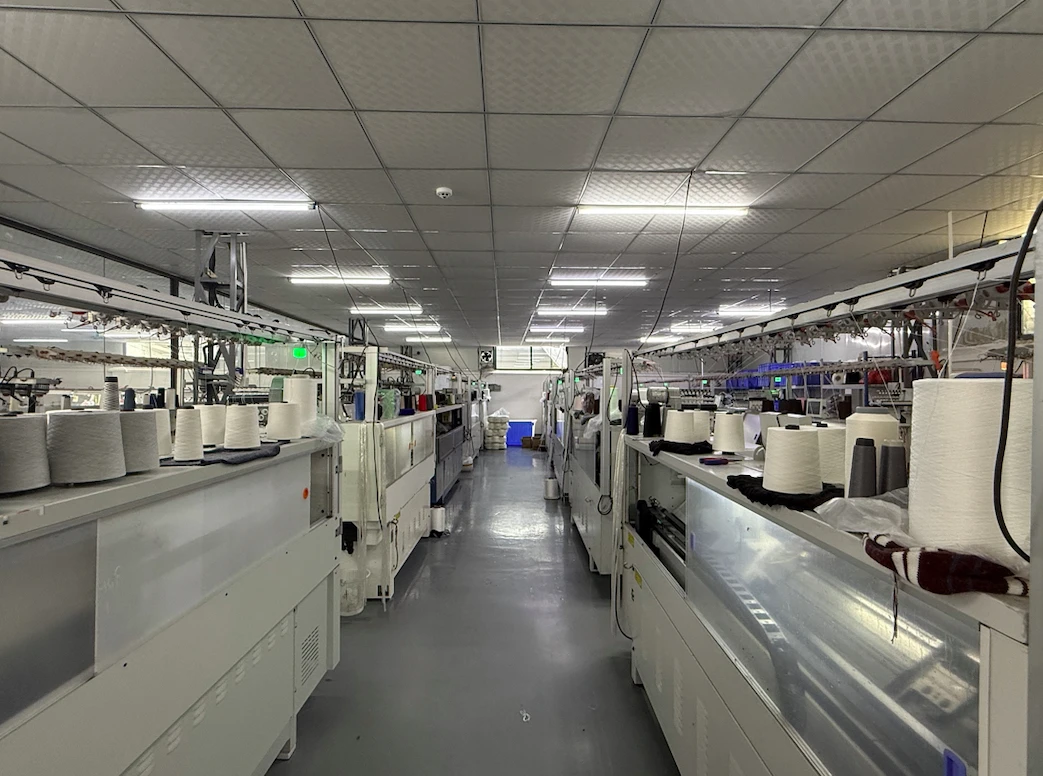
At Dongguan Chunzhen Clothing, we utilize both Shima Seiki WholeGarment technology and traditional cut-and-sew methods. Understanding which one fits your brand’s vision is essential for optimizing your production ROI.
What is WholeGarment Technology?
WholeGarment, pioneered by Shima Seiki, allows for the production of a complete garment in one single piece, directly from the knitting machine. This eliminates the need for post-knitting assembly (linking and sewing), resulting in a “seamless” finish that offers unparalleled comfort and a superior drape.
- Zero Seams: Eliminates bulk and potential irritation points, ideal for base layers and lightweight sweaters.
- Material Efficiency: Since there is no cutting involved, material waste is reduced to near zero.
- Design Freedom: Complex three-dimensional silhouettes that are impossible with traditional linking can be achieved easily.
Traditional Cut-and-Sew / Linking
While WholeGarment is revolutionary, traditional methods still hold a significant place in the industry, especially for specific aesthetics and cost-sensitive high-volume orders.
- Cost Effective for Volume: In large-scale production, traditional linking can often be more cost-efficient for simpler designs.
- Structural Integrity: Seams can provide necessary structure for heavier gauge cardigans or coats.
- Mixed Media: Better suited for garments that combine different fabrics or complex patchworks.
Conclusion
For brands targeting the ultra-luxury, “second-skin” comfort segment, WholeGarment is the gold standard. For those focusing on structural fashion and scalable volume, traditional precision linking remains a reliable and high-quality choice.